
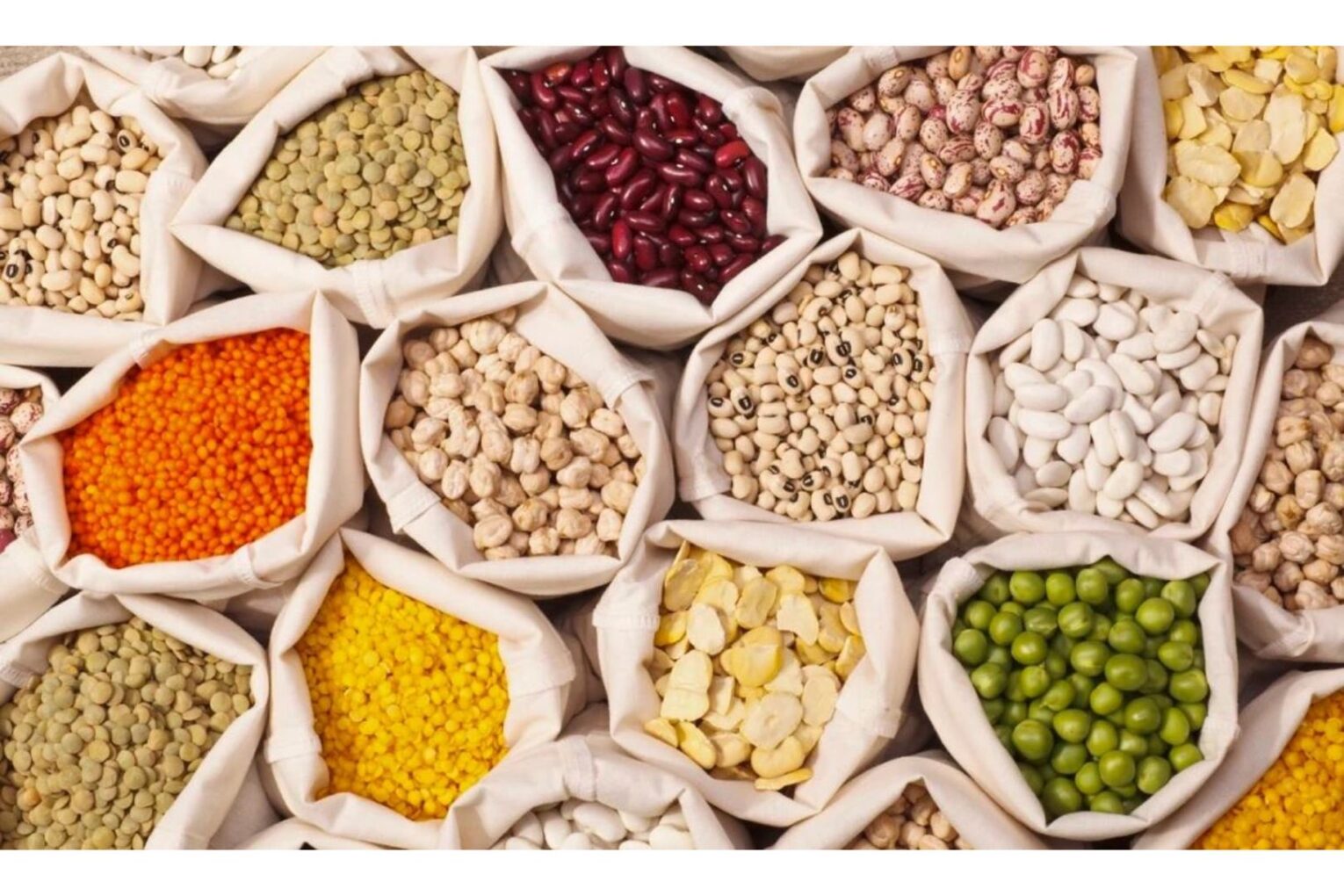
Aflatoxin is a poison produced by moulds that grow on cereals — especially maize — when they are stored with too much moisture. You cannot see it, smell it or cook it away. It causes liver damage and is a major reason cereal lots get rejected by serious buyers.
The golden rule: dry, then store
- Maize must reach about 13% moisture before storage. Field-dry looking maize is often still at 16–18%.
- Use the salt-bottle test: put grain and dry salt in a sealed bottle, shake, and wait 15 minutes. If salt sticks to the bottle walls, the grain is too wet to store.
- Dry on tarpaulins, not bare ground — soil moisture and fungus defeat the purpose.
Storage that keeps aflatoxin out
- Use clean, dry hermetic bags where possible; ordinary bags on pallets, away from walls, if not.
- Never mix new grain with old stock.
- Inspect weekly: any musty smell, warmth or caking means trouble — isolate that lot immediately.
Why it pays
Institutional buyers and processors increasingly test for aflatoxin. Lots that pass command better prices and repeat contracts — lots that fail are lost income and lost trust.