
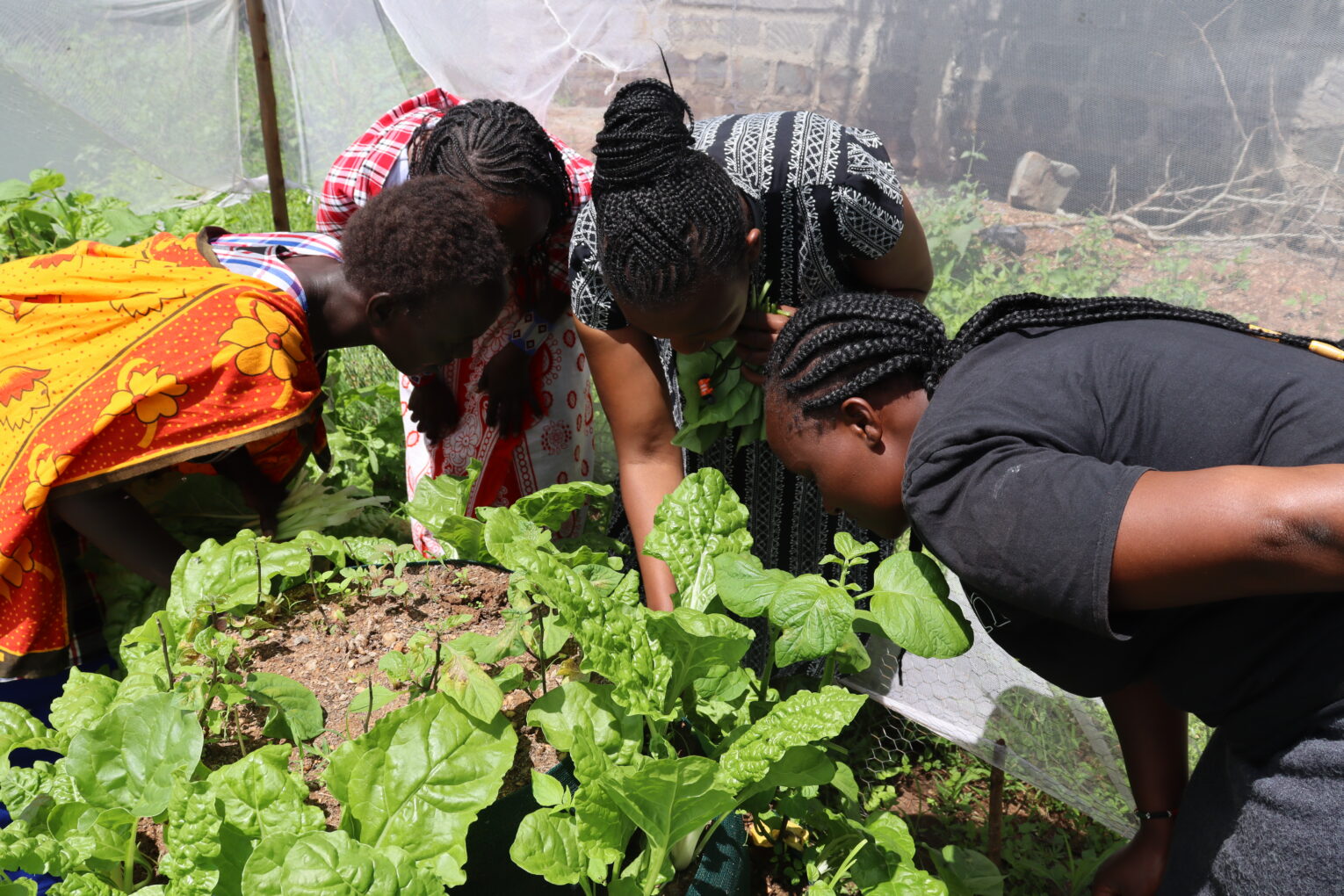
Climate change is not a future problem for East African farmers — it is this season’s problem. The good news: the most effective adaptations are low-cost and start working immediately.
1. Mulch everything
A 5 cm layer of dry grass or crop residue cuts soil water loss dramatically, suppresses weeds and feeds the soil as it breaks down. It is the cheapest irrigation you will ever buy.
2. Harvest water where it falls
Zai pits, half-moon basins and simple contour trenches catch rain that would otherwise run off. Fields with water harvesting keep crops alive through dry spells that kill neighbouring plots.
3. Diversify, don’t gamble
One crop is one bet on the weather. Intercropping cereals with legumes spreads risk, fixes nitrogen, and gives you something to sell even in a poor season.
4. Choose seed for the season you expect
Early-maturing and drought-tolerant varieties exist for maize, beans and vegetables. Ask your agrovet for certified seed matched to your zone’s forecast — not just what sold last year.
5. Protect the soil that feeds you
Minimum tillage and compost keep soil structure and biology intact. Healthy soil holds more water — which is the whole game in a variable climate.
Our greenhouse and agroecology trainings cover all five practices hands-on — get in touch to join the next session.