When people talk about supporting smallholder farmers, training is usually where the conversation starts and stops. Arabuko’s Aggregator Enhancement Program, delivered in partnership with the Mastercard Foundation, is built on the argument that training alone is the easy half of the problem.
The gap training alone doesn’t close
A young farmer in Machakos or Murang’a can learn good agronomy, meet food safety standards and still earn very little — because the buyers who pay properly are out of reach. Commercial kitchens, institutions and exporters buy in consistent volumes, to consistent standards, on consistent schedules. A single small farm rarely clears that bar alone.
That is the gap aggregation closes. By consolidating produce from many small farms, aggregators create the volume and reliability commercial buyers require, and the farmers behind them gain access to prices they could not negotiate individually.
What has been built
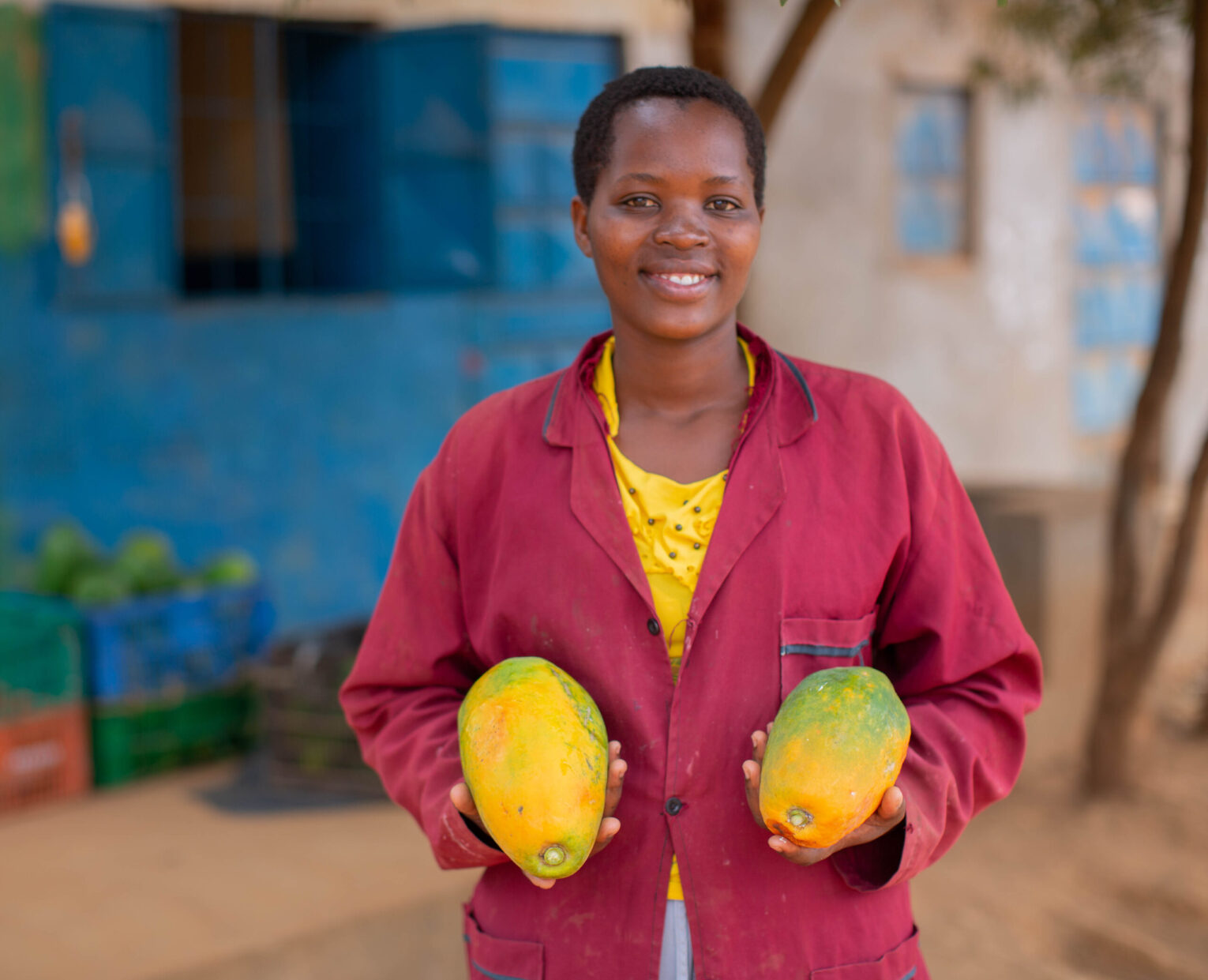
The program has trained 600 aggregators to consolidate produce for the market, and Arabuko’s sourcing network now reaches 5,000 smallholder farmers. More than 1,500 farmers have been reached directly through the programs, across six counties — Kiambu, Kajiado, Machakos, Makueni, Murang’a and Nairobi — and seven value chains.
At least 70% of participants are young women, and the program is open to young people aged 18 to 35, inclusive of refugees and persons living with disabilities.
Beyond the training room
Three things distinguish the approach:
- Formal registration. Aggregators are supported to formally register their businesses, which is what makes them eligible for contracts they were previously locked out of.
- A curriculum that matches the market. Alongside food safety and value addition, participants train in export compliance and standards, integrated pest management, climate-smart agriculture, financial planning and agribusiness.
- Structures that outlast the program. Arabuko helped establish the Young Women Aggregators Association (YWAA), giving young women in agriculture a permanent platform to network, share knowledge and grow their businesses.
Why it holds together
Arabuko is an aggregator itself, not only a trainer. It already moves produce from small farms into commercial kitchens, institutions and homes — which means it can train a young farmer and then buy from them. Skills and market access arrive together rather than years apart.
Training without a buyer is a certificate. Training attached to a working supply chain is an income.